
The Use of Activity Trackers to Improve Health: Scientific Evidence
Discover how activity trackers can improve your physical health, sleep, and reduce stress, backed by scientific studies. Improve your well-being with evidence!
Introduction
In recent years, the use of activity trackers has gained popularity as an essential tool for improving personal well-being. These small devices not only count steps or burned calories but also offer detailed data about our health, including sleep tracking, heart rate monitoring, and stress level identification. But beyond marketing promises, what does science say about their effectiveness?
In this article, we will explore how using activity trackers is backed by scientific evidence and how they can truly improve your quality of life.
Evidence
1. Daily Motivation: Evidence on Increased Physical Activity
One of the most tangible benefits of activity trackers is their ability to increase users’ motivation. A study published in The Lancet showed that using tracking devices increases the number of daily steps people take by 26.9%, which in turn improves their overall physical health (Bravata et al., 2007). Activity tracking provides instant feedback, which promotes small behavioral changes throughout the day, such as walking more or taking the stairs.
Moreover, gamification — where users set daily goals or compete with friends — has proven effective for maintaining long-term motivation. Research conducted by Stanford University (Patel et al., 2017) found that people using activity trackers with personalized goals were more likely to meet their exercise targets compared to those without any tracking device.

2. Physical Activity Monitoring: A Key Ally for Cardiovascular Health
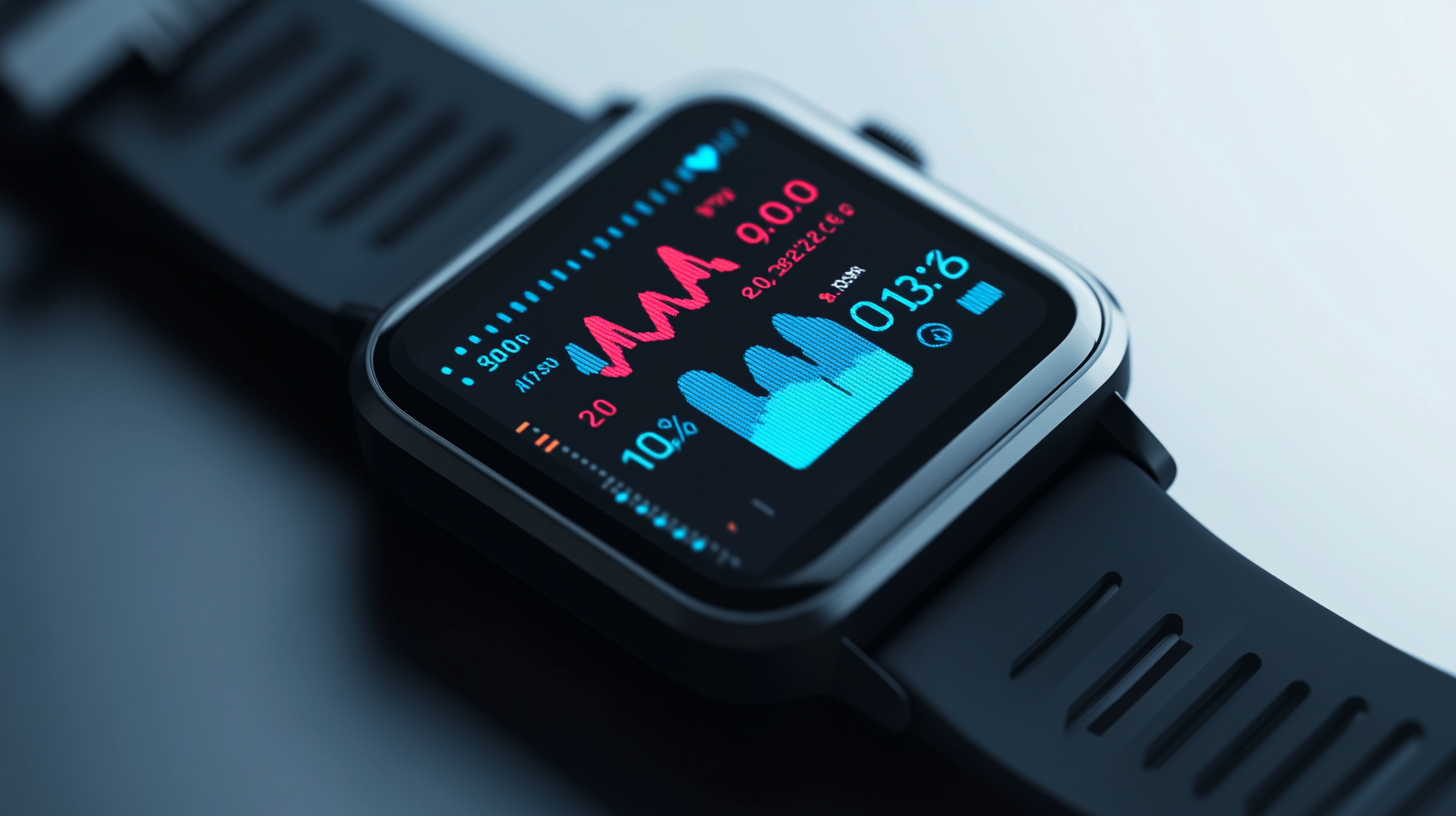
Continuous physical activity monitoring has been widely studied for its impact on improving general fitness. The American Heart Association (AHA) has highlighted that regularly tracking daily activity is an effective strategy for preventing cardiovascular diseases (AHA, 2016). Activity trackers measure key variables such as heart rate, distance traveled, and calories burned, helping users adjust their exercise habits to optimize health benefits.
A study by Duke University concluded that activity tracking devices improve awareness of exercise levels and motivate individuals to increase their physical activity, which can reduce the risk of obesity and other chronic diseases (Lustig et al., 2015).
3. Improved Sleep Quality: Data on the Importance of Sleep Tracking
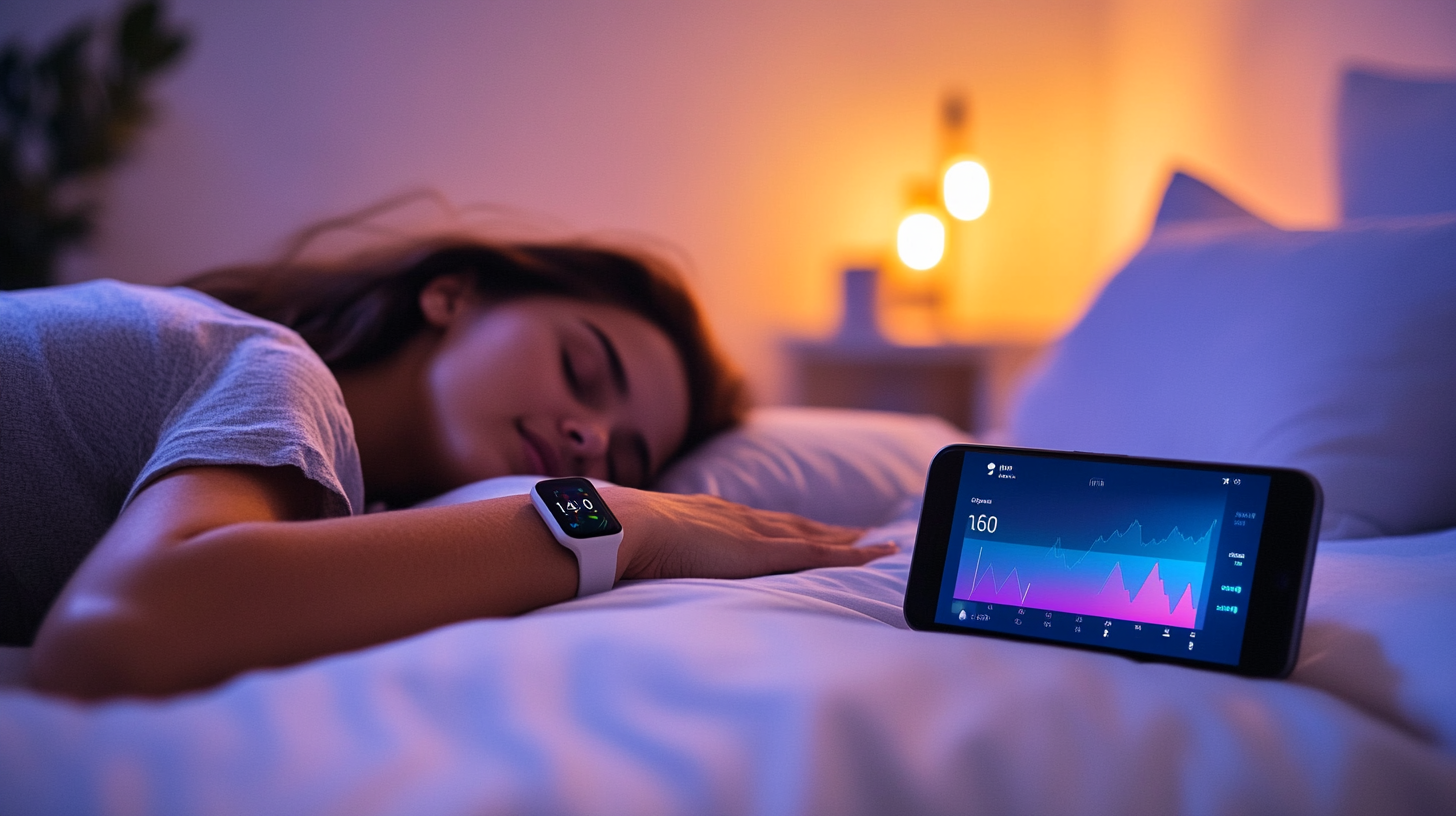
Sleep quality is closely linked to both mental and physical health. Activity trackers with sleep monitoring features provide detailed information about sleep cycles (light, deep, and REM sleep), allowing users to make adjustments to improve their rest.
According to the National Sleep Foundation (NSF), sleep monitoring can help identify patterns that interfere with restorative sleep (Hirshkowitz et al., 2015). A study published in Sleep Medicine supports this claim, concluding that individuals who use devices to track their sleep successfully make effective changes in their routine, improving their sleep quality in the long term (Koopman-Verhoeff et al., 2020).
For example, if a tracker detects frequent sleep interruptions, the user can modify their sleep environment or adjust their nighttime routine to optimize rest, contributing to an overall improvement in physical and emotional health.
4. Stress Reduction: Real-Time Monitoring of Mental Health
Stress is a key factor in the development of many chronic diseases. Some advanced activity trackers include sensors that measure heart rate variability (HRV), allowing the identification of acute stress episodes. According to Harvard Medical School, heart rate variability is a reliable marker of a person’s stress level (Harvard Health Publishing, 2019).
A study by the University of California, San Francisco (UCSF) showed that people who used devices to monitor stress and followed guided breathing exercises experienced a significant reduction in anxiety (Epel et al., 2016). These devices offer users a practical tool to manage stress in real-time, helping them improve their mental and physical well-being.

Conclusion
Activity trackers have proven to be effective tools for improving various aspects of well-being, from increasing motivation to exercise, to improving sleep quality and reducing stress levels. Science backs their use, and studies show that constant monitoring of activity and health can be key to preventing diseases and adopting a healthier lifestyle.
So, if you’re looking for a practical, scientifically supported way to improve your health, strap on an activity tracker and start today!
Reference
- Bravata, D. M., Smith-Spangler, C., Sundaram, V., et al. (2007). «Using pedometers to increase physical activity and improve health: A systematic review.» The Lancet.
- Patel, M. S., Asch, D. A., Rosin, R., et al. (2017). «Framing financial incentives to increase physical activity among overweight and obese adults: A randomized, controlled trial.» University of Stanford.
- Hirshkowitz, M., Whiton, K., Albert, S. M., et al. (2015). «National Sleep Foundation’s sleep time duration recommendations: methodology and results summary.» Sleep Health.
- Lustig, R. H., Jotwani, G., & Zeballos, E. (2015). «Behavioral interventions in wearable activity tracker users.» Duke University Medical Center.
- American Heart Association (AHA). (2016). «Physical activity improves quality of life.»
- Koopman-Verhoeff, M. E., et al. (2020). «Wearable sleep trackers and the detection of sleep disorders.» Sleep Medicine.
- Harvard Health Publishing. (2019). «Understanding the significance of heart rate variability.»
- Epel, E., Puterman, E., & Lin, J. (2016). «The science of stress and the role of mindfulness.» UCSF Research Center.