
The Benefits of Meditation for Mental Health
Discover how meditation reduces stress, improves concentration, and enhances emotional well-being. Learn to integrate this practice into your daily routine
Introduction
In a world where hustle is the norm and our minds often feel like a whirlwind of thoughts, meditation emerges as a sanctuary of calm and balance. This timeless practice has endured across centuries, and today it’s gaining popularity for its proven benefits on mental and emotional health.
Meditation acts as a beacon in the fog of our minds, offering a serene space amidst daily chaos. From reducing stress to enhancing mental clarity and fostering emotional well-being, meditation has become an invaluable tool in the self-care and mental health toolkit. In this article, we’ll explore the science-backed benefits of meditation, from lowering anxiety to boosting focus and self-awareness. Plus, you’ll find practical tips to effectively incorporate meditation into your daily routine to make the most of its advantages.
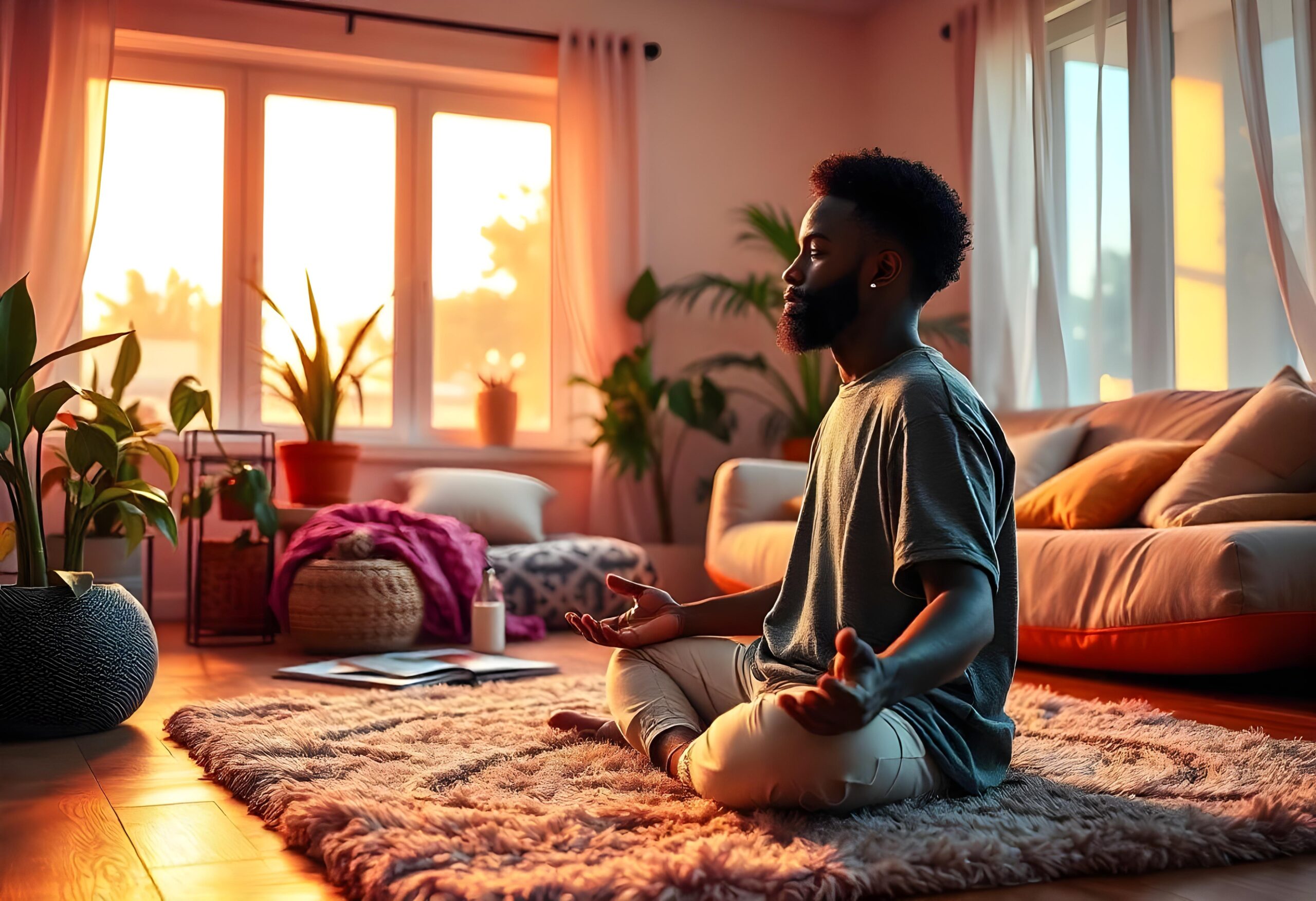
Benefits
1. Reducing Stress and Anxiety
One of the most significant benefits of meditation is its ability to reduce stress and anxiety. By focusing on the present moment, whether it’s on your breathing or a mantra, meditation helps minimize distractions and relax the mind. Regular practice reduces the tendency to worry about the future or dwell on the past, effectively lowering stress.
A study conducted by UCLA found that individuals who meditated for eight weeks experienced a significant reduction in anxiety and depression levels compared to those who did not practice meditation (UCLA, 2018).

2. Improving Concentration and Mental Clarity
Beyond relieving stress, meditation has a profound effect on concentration and mental clarity. Regular practice strengthens focus and working memory, which is especially helpful for those who struggle with mental distraction or lack of focus in daily activities.
This improvement in concentration translates to greater productivity and more effective task management. In fact, a study published in Psychological Science showed that even brief meditation can enhance attention and reduce mental distractions (Zeidan et al., 2010).
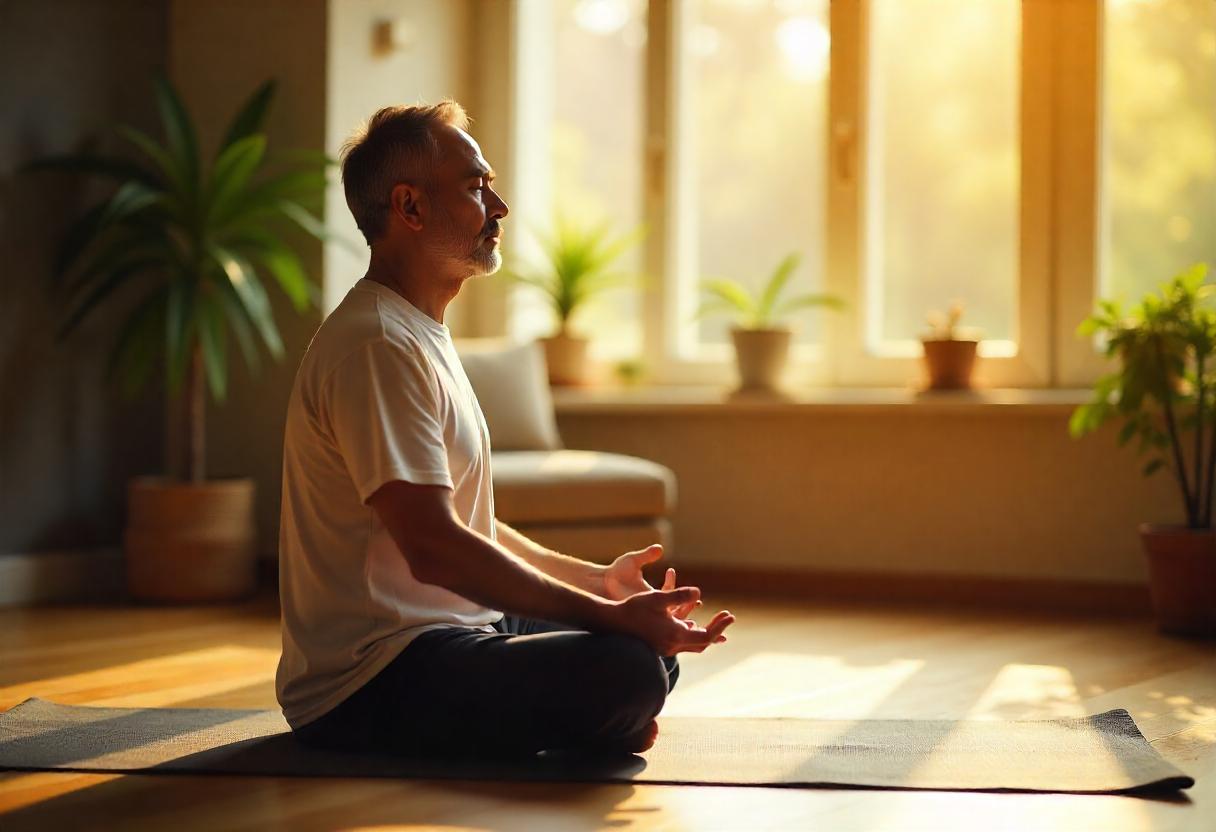
3. Enhancing Overall Well-being
Meditation also promotes an enhanced sense of well-being. By reducing feelings of loneliness and improving self-esteem, meditation contributes to a more fulfilling and satisfying life. These practices strengthen emotional resilience and can lower the risk of mental health challenges like depression and anxiety.
Studies show that people who meditate report increased personal satisfaction and a greater sense of social connection, both important factors in emotional well-being (Goyal et al., 2014).

Tips for a Beneficial Meditation Practice
Building an effective and sustainable meditation practice requires some planning. Here are key tips to help you maximize the benefits of meditation:
Consistency is Key
Regular meditation is essential to see significant results. Start with short sessions and gradually increase the time. Establishing a daily habit can be key to achieving lasting and meaningful changes.
Choose a Quiet Environment
Select a distraction-free area where you can relax and focus. A calm setting enhances relaxation and helps maintain attention during practice.
Maintain a Comfortable Posture
A comfortable yet upright posture is essential. This helps prevent drowsiness and encourages mindfulness. You can sit on the floor with a cushion or on a chair with a straight back, depending on what feels best for you.
Explore Different Techniques
There are many meditation techniques, such as mindfulness, transcendental meditation, and Vipassana. Trying different methods can help you find the technique that best suits your needs and preferences.
Use Support Resources
Courses, workshops, and meditation apps can offer additional guidance and enrich your practice. These resources allow you to explore different techniques and deepen your understanding of meditation.
Practice Patience and Self-Compassion
Meditation is a gradual process. Don’t get discouraged if you don’t see immediate results. Practice self-compassion and keep an open mind; the benefits will come with time.
Reference
- Goyal, M., et al. (2014). «Meditation programs for psychological stress and well-being.» JAMA Internal Medicine.
- UCLA. (2018). «The effects of meditation on anxiety and depression levels.» Journal of Mindfulness Research.
- Zeidan, F., et al. (2010). «Mindfulness meditation improves cognition: Evidence of brief meditation training.» Psychological Science.